Problem
Across multiple products and internal tools, foundational engineering concerns such as CI/CD pipelines, release automation, API clients, utilities, authentication wrappers, and documentation scaffolds were repeatedly reimplemented.
Beyond duplication, this created deeper system-level issues. Engineering standards were inconsistent across repositories, delivery workflows were not traceable from planning to code, and infrastructure drifted over time. Each new project required re-deciding how to structure code, configure pipelines, and ship releases.
For a solo developer operating across multiple systems, this fragmentation introduced unnecessary complexity, reduced reliability, and increased cognitive overhead.
Outcome
Design a centralized engineering platform that enforces shared infrastructure, governance, and delivery traceability across all products.
Core capabilities such as CI/CD pipelines, release automation, and domain packages exist once and are consumed by applications rather than reimplemented. Engineering standards and delivery contracts are enforced automatically through shared tooling, ensuring consistency across the ecosystem.
This approach allows new products to start with a mature engineering foundation while maintaining alignment between planning, architecture, and shipped code.
Solution
The platform centralizes engineering infrastructure through two core systems: shared domain-driven packages and reusable CI/CD workflows.
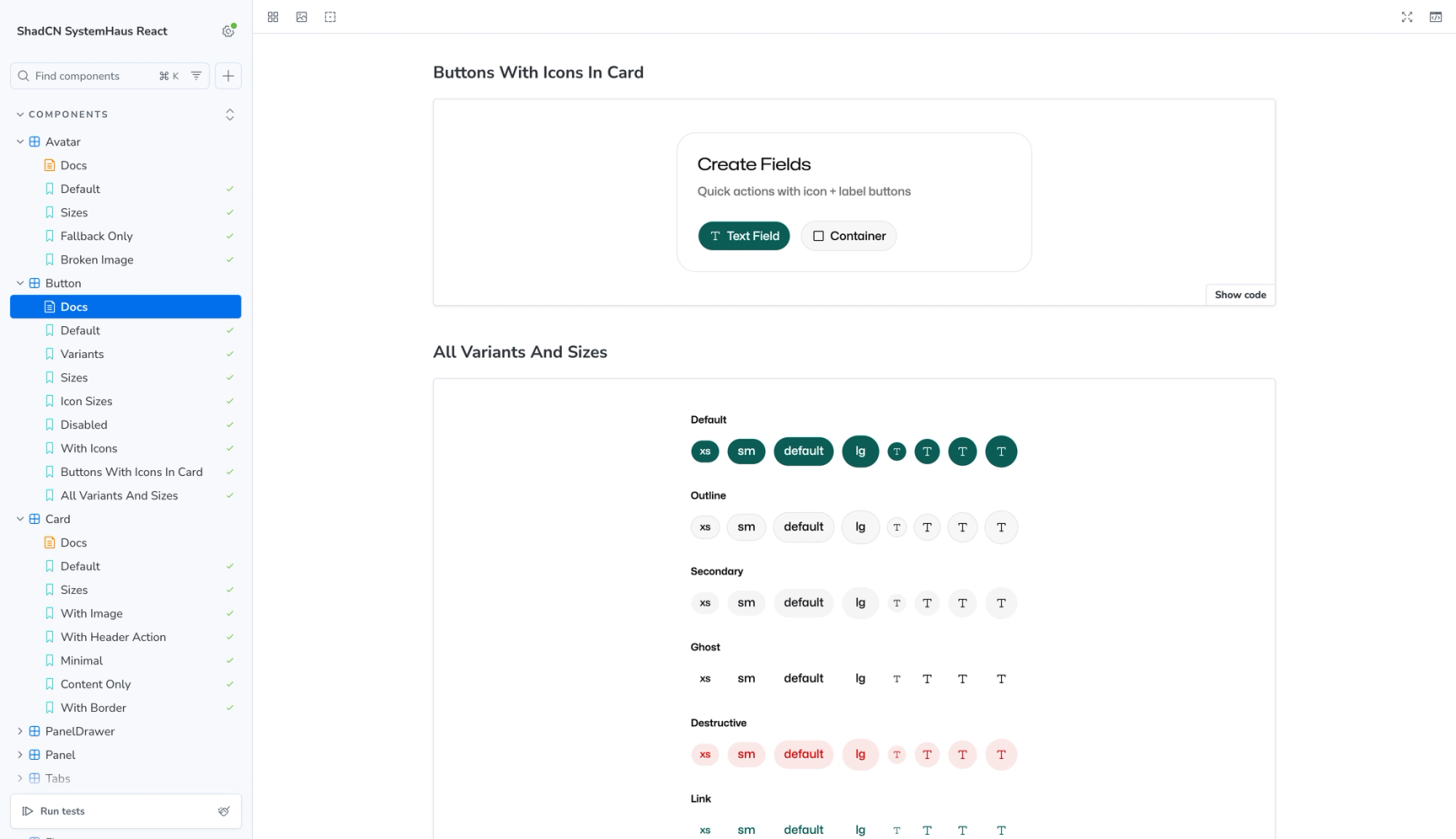
TypeScript domain packages define reusable logic such as API clients, authentication integrations, utilities, and developer tooling. Framework adapters expose this logic to React, Vue, and Node environments, allowing products to consume shared capabilities without coupling to a specific stack.
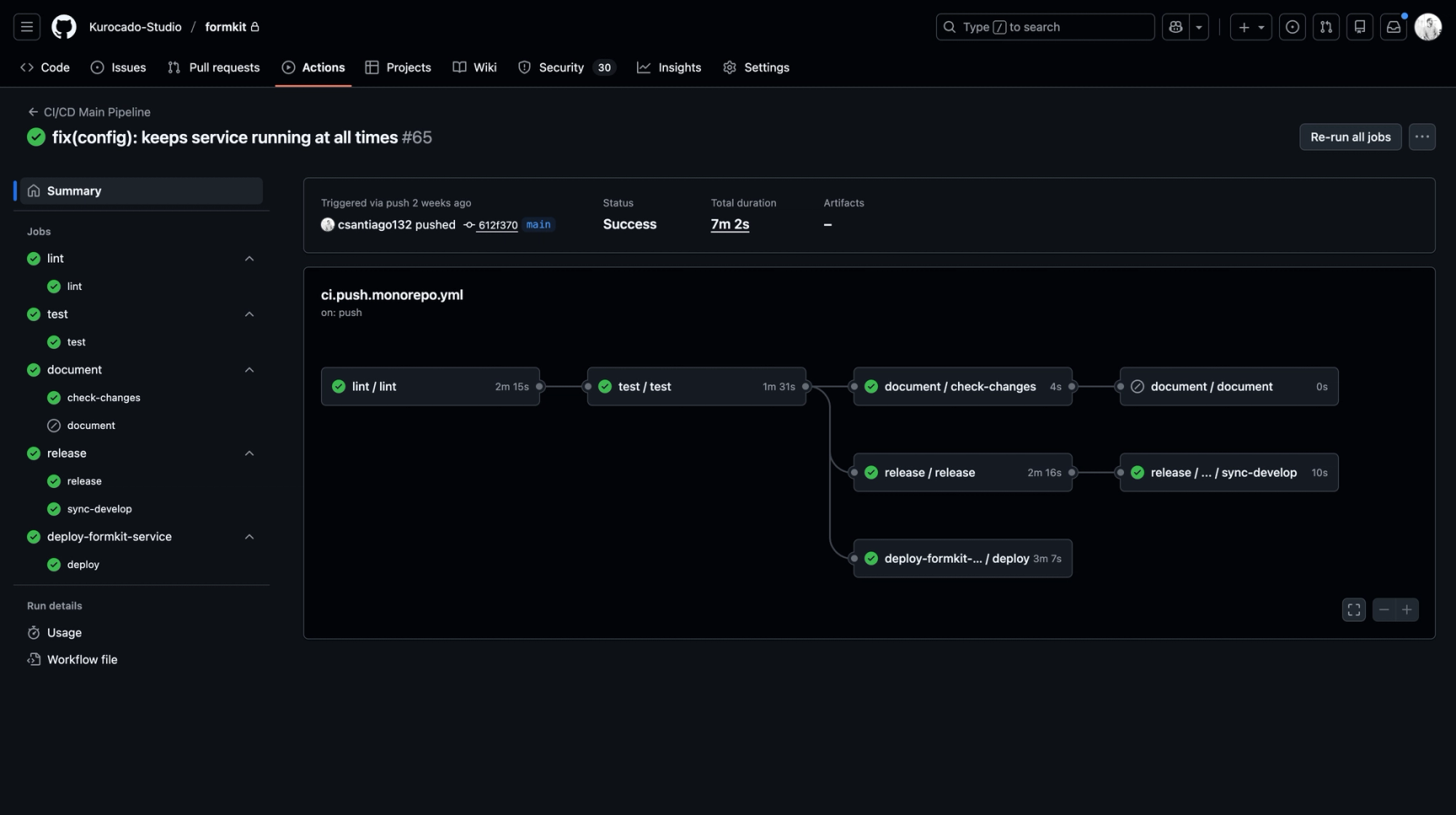
Applications delegate their pipelines to versioned GitHub Actions workflows maintained by the platform. Instead of maintaining their own CI/CD configurations, applications invoke these workflows to handle linting, testing, releases, and deployments, ensuring consistent execution across repositories.
In addition to shared infrastructure, the platform introduces an engineering governance layer. Commit conventions, CI validation, and release processes are standardized and enforced across repositories, ensuring that all code changes follow consistent patterns and remain traceable to their originating work.
This architecture transforms the platform from a collection of shared tools into a system that governs how engineering work is executed, enabling consistency, scalability, and reliable delivery across multiple products.