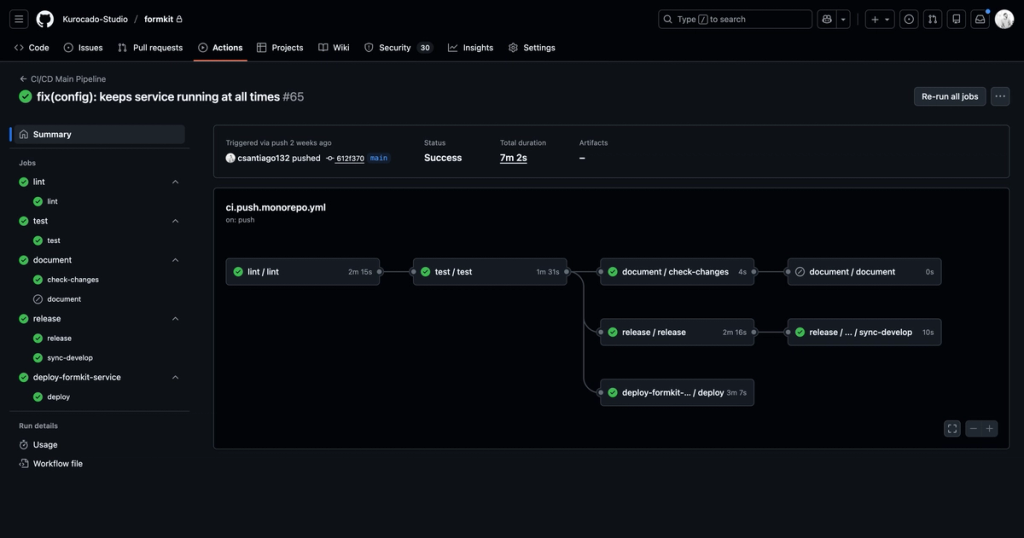
TypeScript Platform
How I built a centralized engineering platform that unifies CI/CD, packages, utilities, and development workflows — enabling one developer to maintain multiple production-grade products consistently and efficiently.

I slow down just enough to make sure we’re building the right thing, for the right reasons, with clear tradeoffs.
In a world where AI accelerates execution, the real leverage comes from deciding the right thing to build. My process focuses upstream: clarifying problems, surfacing tradeoffs, and designing systems that can evolve — not just ship.
What I do
I start by defining the actual problem — not features, screens, or tasks.
Every project begins with a clear problem statement that answers:
What I do
I surface constraints early instead of discovering them mid-build.
What I do
Before UI polish, I design the underlying system.
What I do
Design and engineering move in parallel.
I treat launches as checkpoints, not finish lines. Shipping reveals which assumptions were right, which were wrong, and where the system needs to adapt.
After launch, I focus on:
How I built a centralized engineering platform that unifies CI/CD, packages, utilities, and development workflows — enabling one developer to maintain multiple production-grade products consistently and efficiently.
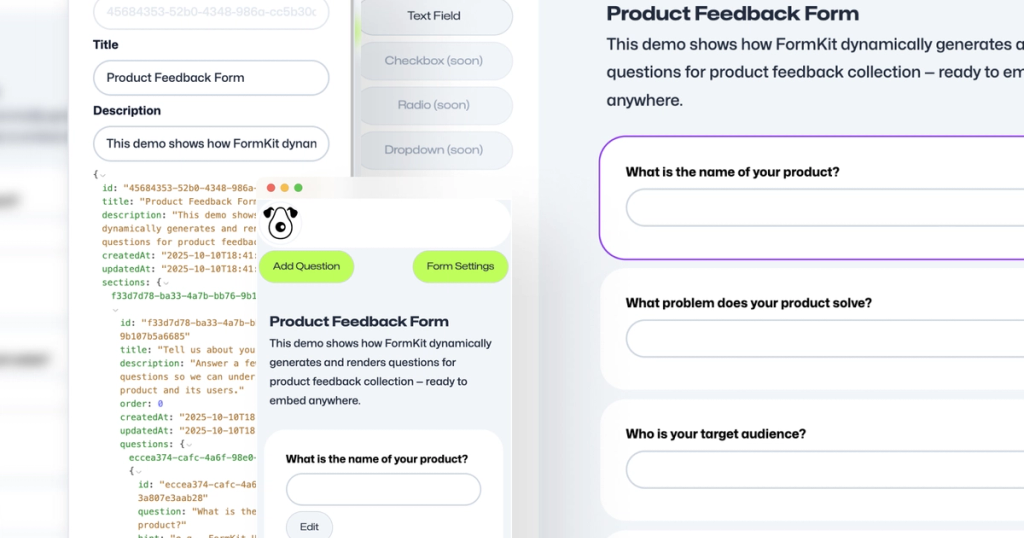
A 0→1, solution-first build where I shipped a production-grade system early to make the problem concrete, validate feasibility, and use the finished product itself as both a discovery tool and proof of design + engineering execution.