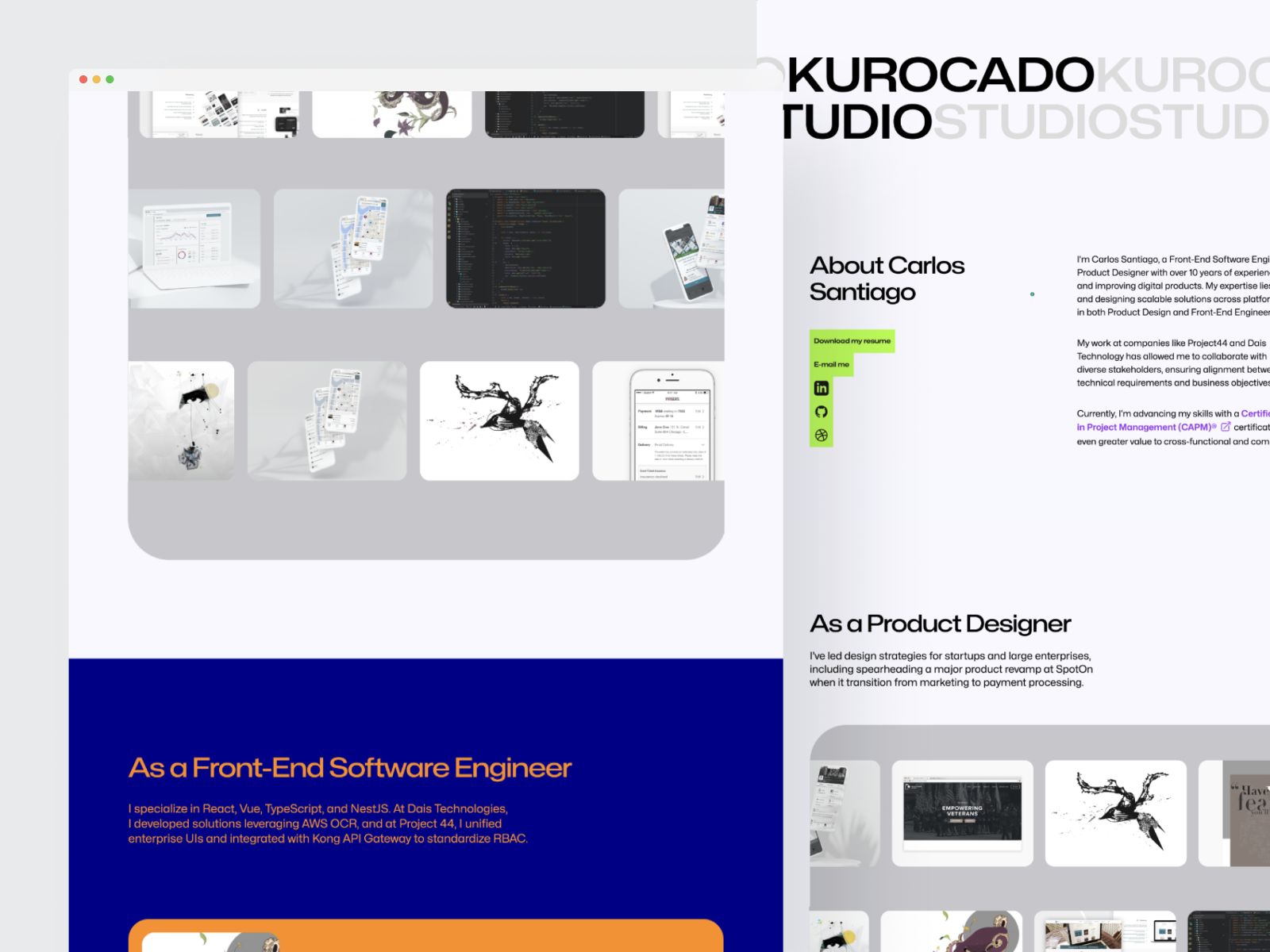






Kurocado Studio is a boutique digital product studio based in Chicago. The studio focuses on designing and building modern websites, product interfaces, and scalable design systems.
The work centers around the infrastructure behind digital products — the systems that allow teams to build, maintain, and evolve software consistently over time. This includes design systems, schema-driven workflows, and developer platforms that support multiple products and teams.
Kurocado Studio is led by Carlos Santiago, a Product Design Engineer working at the intersection of design systems, frontend engineering, and product architecture.
Before founding Kurocado Studio, Carlos worked across product design and frontend engineering roles, developing a strong interest in the infrastructure that enables modern digital products.
Digital Products
Websites
Logos & marketing collateral
Illustrations
TypeScript
React
Framer motion
StoryBook
Tailwind
NestJS
Vue
GitHub actions
Selected projects exploring design systems, product workflows, and engineering platforms.
Kurocado Studio works with founders, product teams, and organizations to design and build modern websites, product interfaces, and scalable design systems.
Whether you're starting a new product, improving an existing platform, or building a design system, the studio is always open to new collaborations.
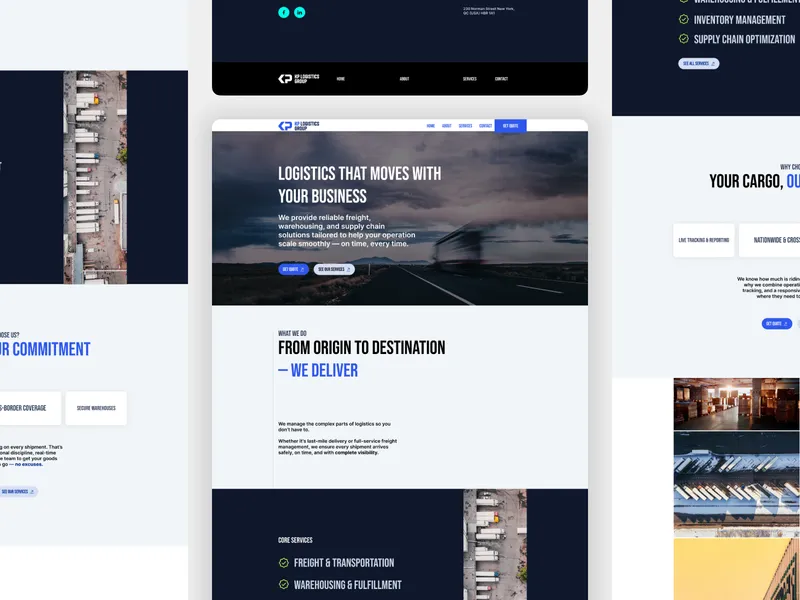
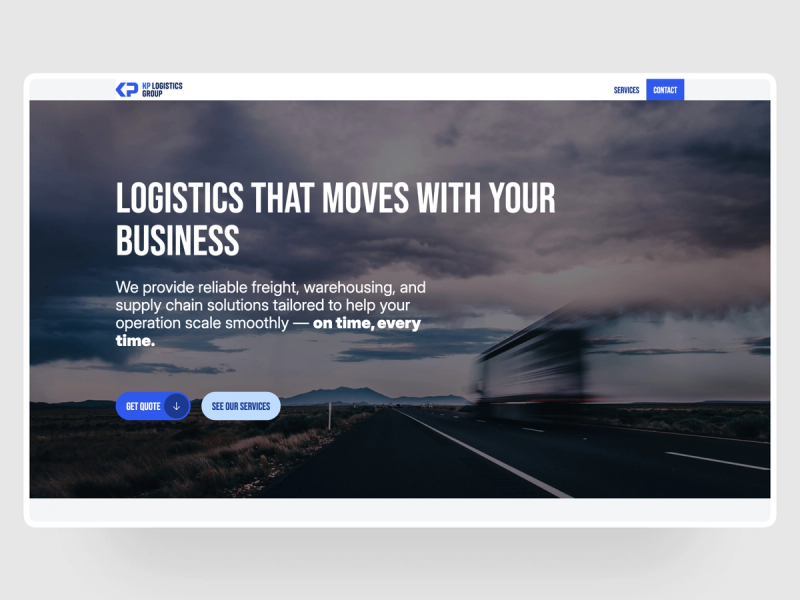
KP Logistics
A new logistics company can establish credibility quickly with a clear, focused website that communicates services and trust without unnecessary complexity.
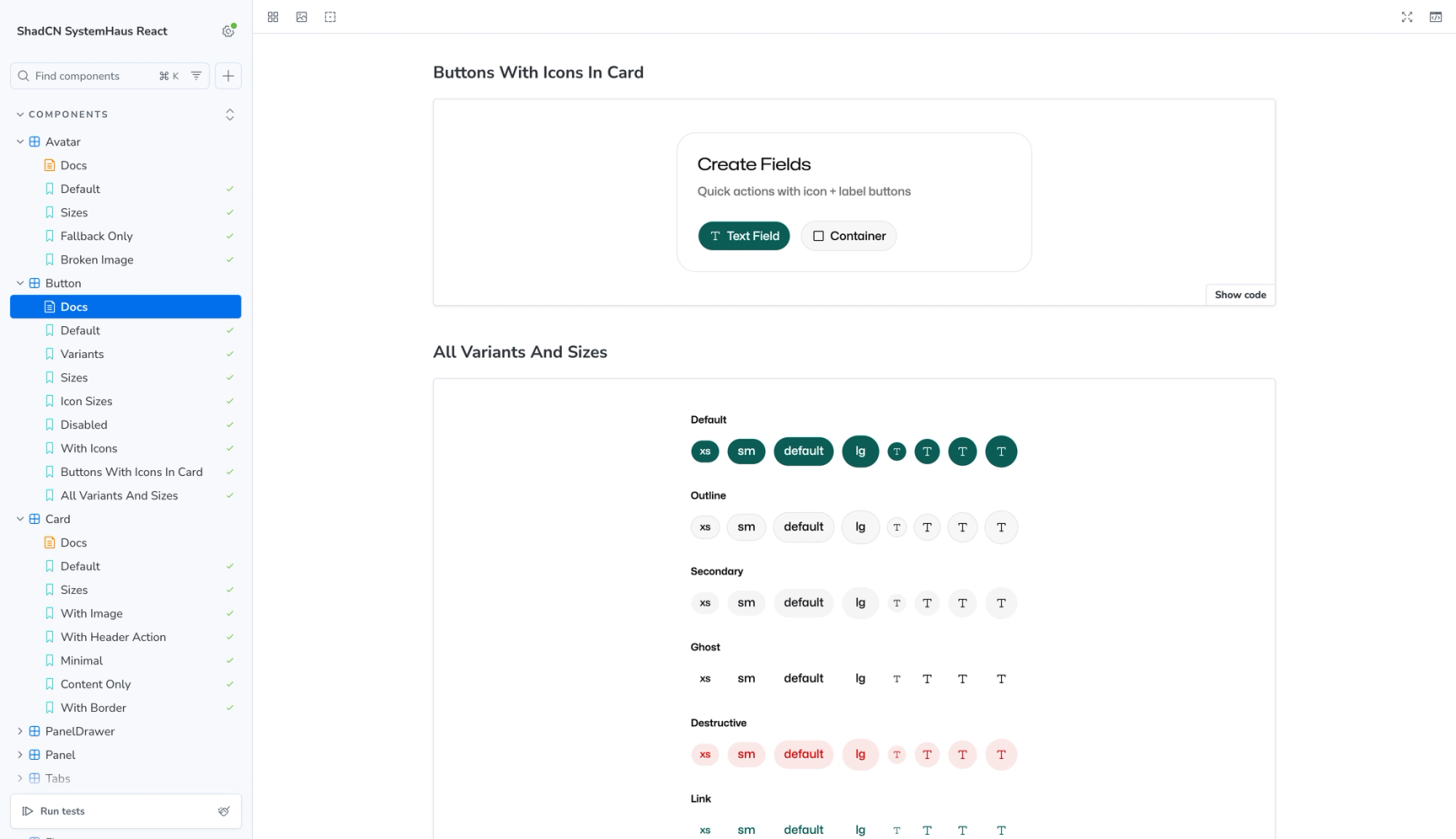
A design system can support multiple frameworks when design intent lives in a shared domain and UI frameworks act as lightweight rendering adapters.
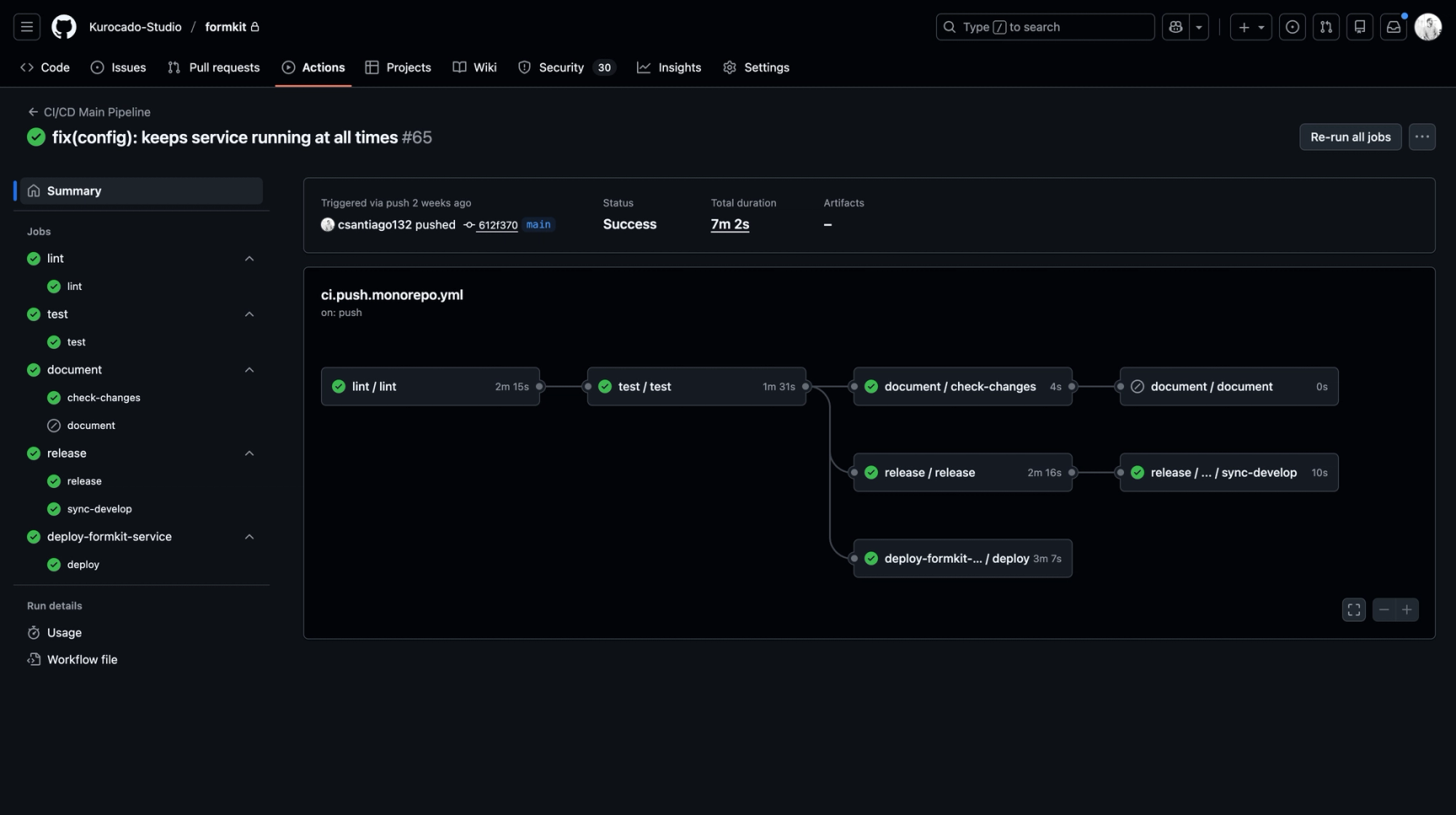
A single developer can operate like a full platform team by centralizing infrastructure, enforcing engineering standards, and establishing traceable delivery across products.
Harmony Collaborative Consulting
A long-standing consulting firm can evolve its identity while preserving the trust and continuity built over decades.

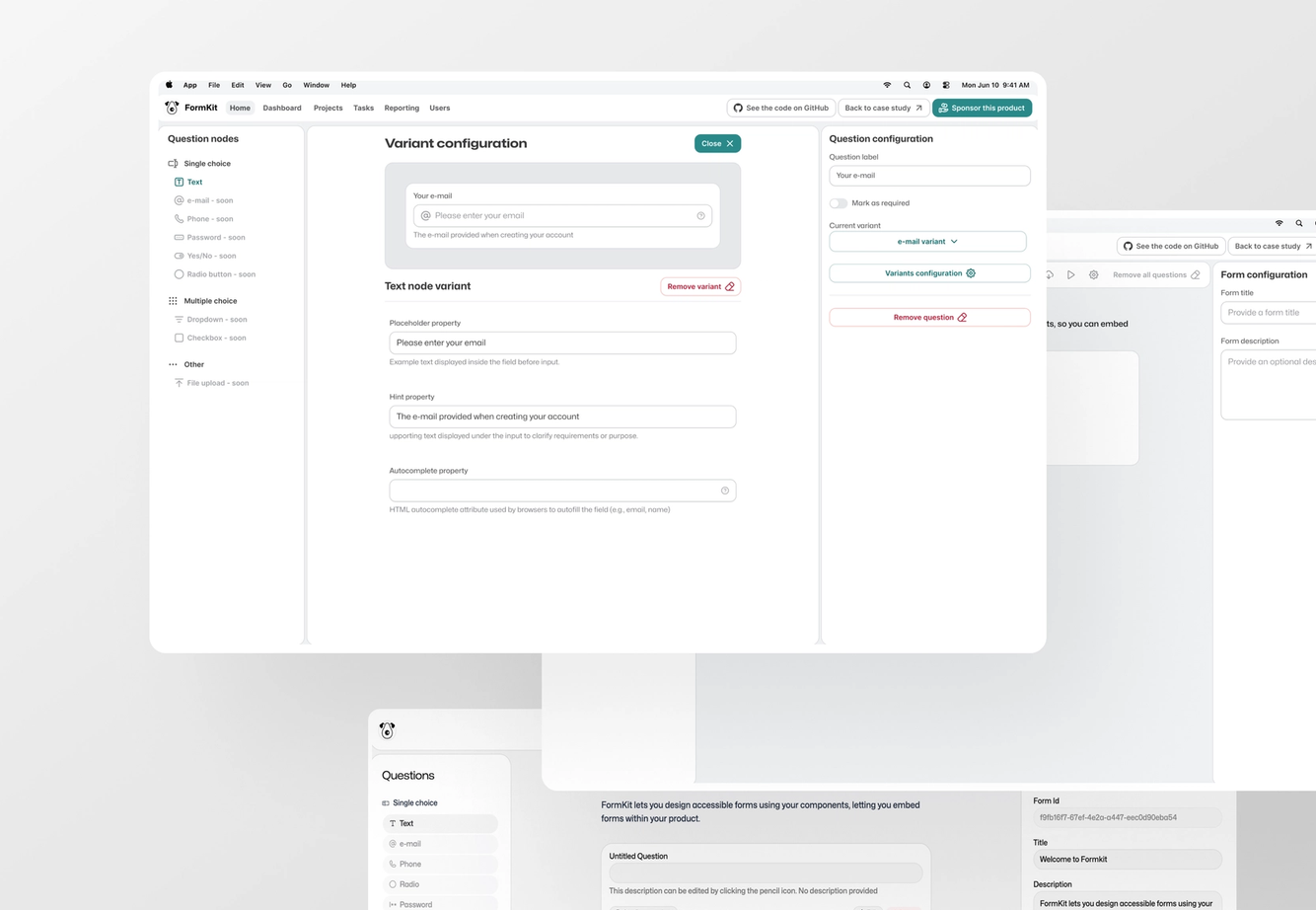
Forms can be defined once and rendered anywhere by modeling form behavior as schemas interpreted by a framework-agnostic runtime.